
A Comprehensive Guide to Mastering the Sugargoo Spreadsheet: From Beginner to Expert
The Sugargoo Spreadsheet provides users with efficient tools for product selection and price comparison, enabling you to easily discover items with hidden deals and enhance your overall shopping experience.
6/22/20263 min read
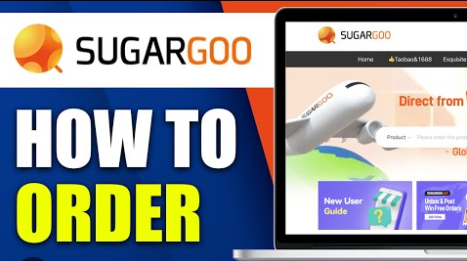

Sugargoo Spreadsheet: Complete Beginner-to-Advanced Operation Guide (2026 SEO Edition)
In the world of cross-border shopping and product sourcing, efficiency and data control are everything. One tool that has rapidly become essential for buyers, resellers, and e-commerce operators is the Sugargoo Spreadsheet system—a structured method for managing product links, comparing prices, tracking orders, and optimizing purchasing decisions inside the Sugargoo ecosystem.
This guide breaks down everything from basic setup to advanced optimization strategies, giving you a complete operational workflow that is both practical and scalable.
1. What Is Sugargoo Spreadsheet?
The Sugargoo Spreadsheet is not just a simple table—it is a data-driven shopping management framework that allows users to:
Organize product links from different suppliers
Compare prices across platforms
Track product availability and stock changes
Manage bulk purchasing lists
Improve decision-making with structured data
Instead of manually saving random links, users build a centralized “product intelligence hub.”
2. Why Use Sugargoo Spreadsheet?
Traditional shopping methods rely on scattered bookmarks and manual tracking. This creates inefficiency and missed opportunities. The spreadsheet approach solves this by introducing:
✔ Centralized Control
All product data is stored in one place, reducing confusion and duplication.
✔ Faster Decision Making
You can instantly compare price, shipping cost, and seller reliability.
✔ Better Profit Margins (for resellers)
By tracking price fluctuations, you can identify the best buying windows.
✔ Scalability
Whether you manage 10 products or 10,000, the system remains structured.
3. Getting Started: Basic Setup
To begin using Sugargoo Spreadsheet effectively, follow these steps:
Step 1: Create Your Master Sheet
Use tools like:
Google Sheets
Excel
Notion database
Create columns such as:
Product Name
Product Link
Price (CNY/USD)
Shipping Estimate
Seller Rating
Status (Saved / Ordered / Shipped / Delivered)
Step 2: Import Product Links
From Sugargoo search results or external marketplaces, copy product URLs and paste them into your spreadsheet.
Tip: Always include the source platform (e.g., Taobao, Weidian, 1688).
Step 3: Standardize Your Data Format
Consistency is key. Use the same format for:
Currency (USD or CNY)
Rating scale (1–5)
Status tags
This will make filtering and sorting much easier later.
4. Intermediate Workflow: Smart Organization System
Once your spreadsheet is set up, you can move to more advanced structuring.
4.1 Category Segmentation
Divide products into categories like:
Fashion
Sneakers
Electronics
Accessories
Home goods
This helps you analyze trends within each niche.
4.2 Profit Estimation Column (For Resellers)
Add a column:
Estimated Profit = Resale Price - Total Cost (Product + Shipping + Fees)
This allows instant evaluation of whether a product is worth buying.
4.3 Supplier Reliability Score
Track seller performance using:
Delivery speed
Product accuracy
Return rate
Over time, you build a “trusted supplier database.”
5. Advanced Sugargoo Spreadsheet Strategies
This is where users transition from casual buyers to power users.
5.1 Price Tracking System
Instead of entering price once, track it over time:
Date 1: $25.00
Date 2: $22.50
Date 3: $24.00
This helps identify pricing cycles and discount patterns.
5.2 Hidden Product Discovery Method
Advanced users often combine spreadsheets with structured search:
Filter low-view but high-rating products
Track underpriced listings
Monitor duplicate listings across sellers
This reveals “hidden gems” not visible in standard browsing.
5.3 Auto-Filtering Logic
Use spreadsheet filters such as:
Price < $30
Rating > 4.5
Shipping time < 10 days
This creates a dynamic “best buy” list instantly.
6. Bulk Buying Optimization Workflow
For bulk buyers or dropshipping operators, efficiency is critical.
Recommended workflow:
Collect 50–500 product links
Clean duplicates
Sort by ROI potential
Highlight top 20%
Submit batch orders via Sugargoo agent system
This reduces manual decision fatigue and increases profitability.
7. Common Mistakes to Avoid
Many beginners fail due to poor spreadsheet habits:
❌ No standard structure
Random columns make scaling impossible.
❌ Not updating data
Old prices lead to wrong decisions.
❌ Ignoring shipping cost
A cheap product can become expensive after logistics.
❌ No categorization
Without structure, analytics becomes useless.
8. Pro-Level Automation Ideas
If you want to push further, consider:
✔ Google Sheets formulas
Auto price conversion
Profit calculation
Conditional formatting
✔ Data scraping (advanced users)
Automate product import from marketplaces.
✔ Dashboard creation
Turn your spreadsheet into a visual control panel with charts:
Best-selling categories
Monthly spending
Supplier performance
9. Sugargoo Spreadsheet for E-commerce Scaling
For business owners, this system becomes a full supply-chain intelligence tool:
Identify trending products early
Reduce sourcing risks
Improve inventory planning
Scale international reselling operations
Instead of guessing, you operate with structured data.
10. Final Thoughts
The Sugargoo Spreadsheet method is more than a productivity hack—it is a complete decision-making framework for modern cross-border commerce. When used correctly, it transforms scattered product hunting into a structured, scalable, and data-driven system.
Whether you are a beginner exploring overseas shopping or an advanced reseller building a global sourcing operation, mastering this system inside Sugargoo can significantly improve your efficiency and profitability.
sugargoo
Services
Support
contact@oopbuyyupoo.com
© 2025. All rights reserved.